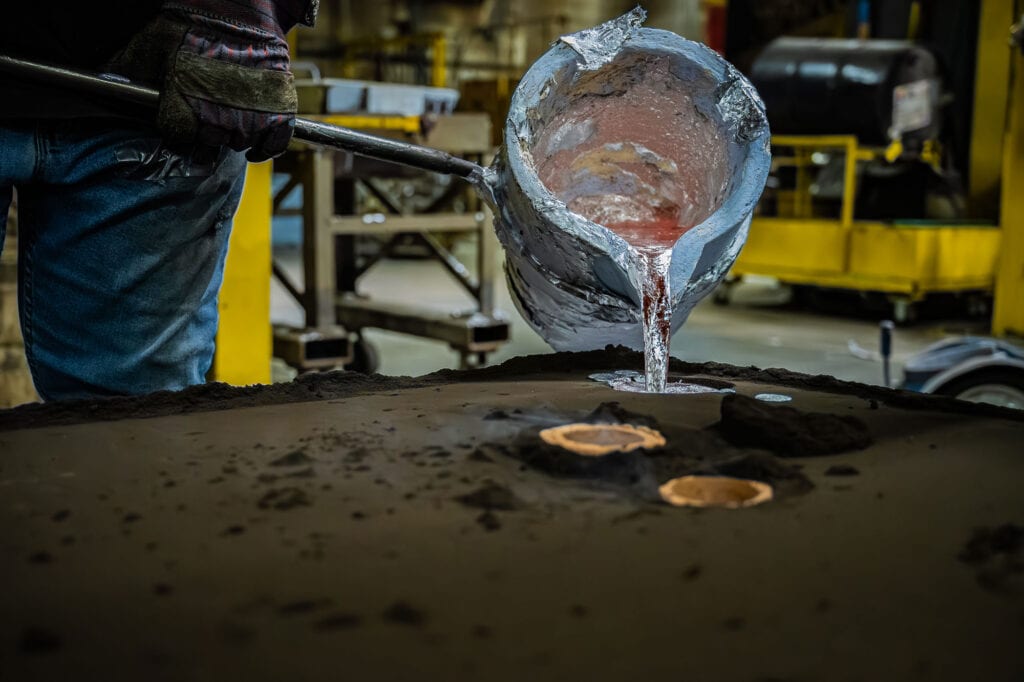
Discovering the Intricacies of Metal Spreading in Modern Production Processes
Steel spreading has actually gone through significant improvement in current years. The integration of innovative technologies has reshaped conventional methods, boosting accuracy and efficiency. Innovations like CAD and 3D printing are now prevalent. Furthermore, the industry faces boosting stress to adopt sustainable techniques. As these changes unfold, one should take into consideration the ramifications for quality assurance and future fads. What chances and obstacles lie ahead in this advancing landscape?
The Evolution of Metal Casting Techniques
As metalworking innovations progressed, the development of metal spreading techniques emerged as an important factor in making advancement. The shift from typical methods, such as sand casting, to more contemporary procedures highlighted the market's flexibility. Early strategies counted heavily on manual labor and primary devices, frequently causing inconsistent high quality and prolonged manufacturing times. With the intro of technologies like financial investment casting and pass away spreading, manufacturers started to accomplish higher accuracy and efficiency.
The growth of computer-aided style (CAD) and computer system mathematical control (CNC) more changed the field, allowing intricate styles to be generated with very little error. Technologies in materials and coverings likewise enhanced the longevity and performance of cast items. This recurring change has established metal spreading as a flexible and important manufacturing technique, with the ability of meeting varied industry demands while decreasing waste and improving sustainability techniques. As a result, the development of metal spreading proceeds to form the future of production.
Key Products Utilized in Modern Steel Casting
Metal casting relies on a selection of crucial materials that significantly affect the top quality and buildings of the end products. The primary metal made use of in casting procedures is commonly light weight aluminum, recognized for its corrosion-resistant and lightweight attributes. Other steels, such as iron and bronze, are also popular due to their strength and toughness. Furthermore, alloys play a substantial function, permitting makers to customize specific features to fulfill special application requirements.
Moreover, the option of molding products is necessary. Sand, plaster, and ceramic mold and mildews are typically utilized, each offering distinct benefits regarding information and surface area coating. The binder materials used to hold the mold and mildew with each other, such as material or clay, additionally influence the casting procedure. Additives, consisting of finishings and modifiers, can boost the steel's properties, ensuring excellent efficiency in various commercial applications. On the whole, these products collectively add to the effectiveness and effectiveness of contemporary steel spreading approaches.
Innovations in Devices and Modern technology
The advancement of metal casting has actually been greatly influenced by developments in devices and modern technology, which improve performance and precision in the manufacturing process. Advancements such as improved furnaces and induction furnace permit far better temperature level control and power efficiency, reducing waste and enhancing material top quality. Furthermore, the introduction of 3D printing modern technology has actually transformed mold development, allowing quick prototyping and customization of complicated geometries that typical approaches can not achieve.
Additionally, innovations in software program for simulation and modeling have actually promoted the forecast of casting outcomes, lessening defects and optimizing designs. Modern tools, such as automated pouring systems and innovative air conditioning techniques, additionally contributes to greater uniformity in manufacturing. The combination of much better materials and finishes in equipment construction has raised longevity and dependability, eventually bring about reduced functional costs. Collectively, these technical strides are improving steel spreading, making it much more adaptable to the demands of contemporary production.
The Duty of Automation in Casting Procedures
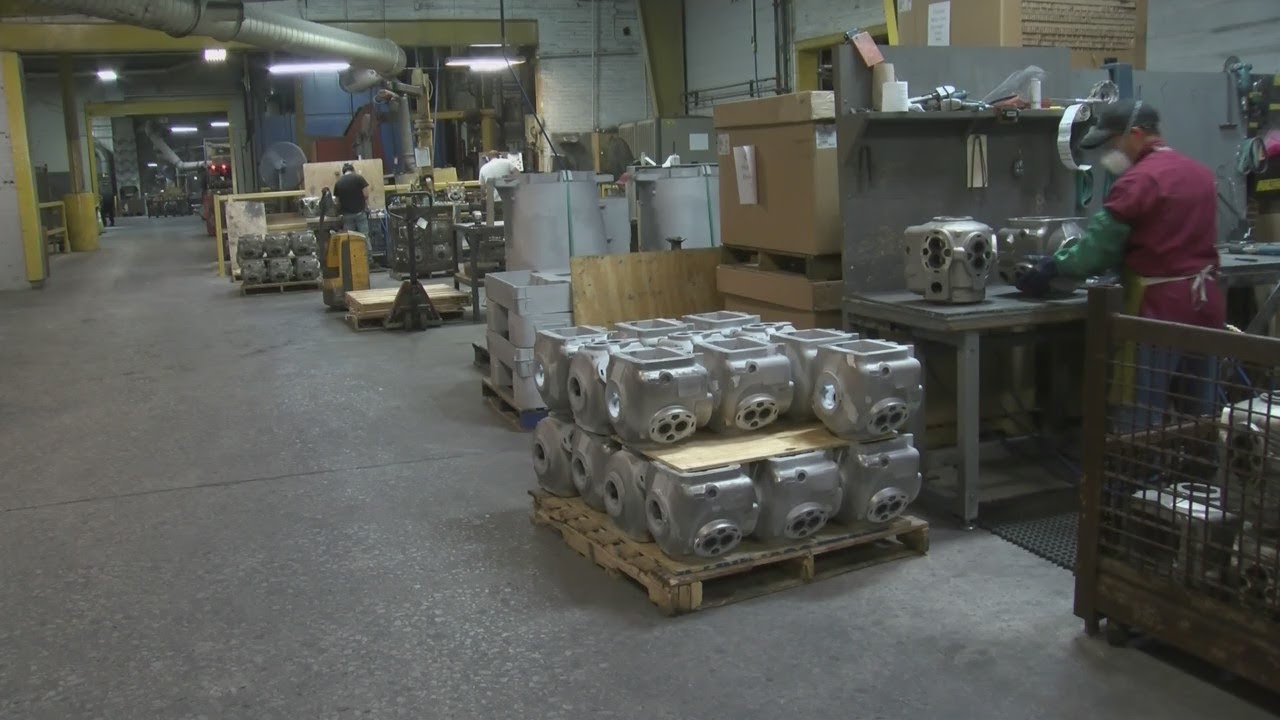
While typical spreading procedures depended greatly on hand-operated labor, the integration of automation has changed the landscape of steel casting, improving both performance and accuracy. Automated systems, including robotic arms and computer-controlled equipment, facilitate quicker production cycles and minimize human error. These advancements permit consistent high quality across large batches, which is vital for sectors needing high requirements, such as aerospace and auto manufacturing.
Automation streamlines the process by handling repetitive tasks, freeing skilled workers to concentrate on more complicated procedures. Making use of innovative software program together with automation enables real-time tracking and modifications, ensuring peak efficiency and source application. As a result, manufacturers can attain greater throughput while lessening waste and downtime. The introduction of automation in casting procedures not just fulfills the boosting need for precision-engineered elements but additionally placements business to stay competitive in a rapidly advancing market.
Lasting Practices in Steel Spreading
Sustainable methods in steel casting are coming to be significantly essential in modern-day production. Secret methods consist of the recycling of steel materials, the application of energy performance techniques, and efforts to decrease waste discharges. These approaches not just lessen ecological effect but additionally boost the total sustainability of the spreading market.
Recycling Steel Products
Although steel casting has actually traditionally counted on virgin materials, the assimilation of recycling methods has become a critical technique for boosting sustainability in the market. Recycled metals, such as steel, copper, and aluminum, can be repurposed effectively, significantly decreasing the need for new raw materials. This practice not only conserves all-natural resources yet likewise decreases energy consumption connected with mining and processing virgin steels. Additionally, incorporating recycled products right into the casting procedure decreases greenhouse gas exhausts, aligning with worldwide sustainability objectives. The market has actually observed the advancement of sophisticated reusing innovations that enhance the high quality of recycled metal, guaranteeing it meets the rigorous criteria required for numerous applications. Consequently, reusing is ending up being an indispensable part of modern-day metal casting practices.
Power Performance Techniques
As the need for lasting manufacturing methods expands, the metal spreading sector is progressively embracing power performance methods to minimize usage and decrease environmental effect. Different techniques have been executed, such as optimizing heater operations, which improves thermal effectiveness and lowers power use. The combination of advanced control systems permits for exact monitoring and modifications, making certain that energy intake aligns with manufacturing demands. The adoption of eco-friendly power resources, such as solar and wind, is becoming much more widespread in casting facilities. In addition, using energy-efficient devices, consisting of electric arc heating systems, further boosts total efficiency. By prioritizing these techniques, the steel spreading market can considerably decrease its carbon impact while maintaining performance and competition in a swiftly developing market.
Minimizing Waste Emissions
To guarantee a greener future, the metal casting sector is increasingly focusing on decreasing waste exhausts with ingenious practices. Methods such as closed-loop systems and recycling of materials have actually emerged as effective techniques. Many makers are taking on advanced filtration systems to record particulates and hazardous gases during the casting procedure, considerably decreasing air toxins. In addition, using environment-friendly materials, such as water-based layers, decreases unpredictable organic substance discharges. Implementing lean manufacturing principles likewise help in waste decrease by streamlining procedures and reducing excess material usage. Continuous research study into alternative, much less hazardous alloys proceeds to improve sustainability. Collectively, these efforts add to a much more environmentally responsible metal spreading industry, lining up with global sustainability objectives and regulatory requirements.
Quality Assurance and Assessment Techniques
Quality control and evaluation techniques play a vital duty in making sure the stability and performance of actors metal products. These techniques include numerous methods to analyze the top quality of products, procedures, and final items. Visual examination, frequently the first line of protection, permits the identification of surface area flaws such as cracks or inclusions. Non-destructive testing (NDT) strategies, including radiographic and ultrasonic inspections, additionally evaluate internal frameworks without jeopardizing the example's stability.
Dimensional accuracy is additionally kept an eye on through accurate dimension devices, ensuring that components satisfy specified resistances. In addition, metallurgical analysis, such as solidity testing and microstructure exam, gives insights into the product homes and efficiency capacities of the actors items. Applying stringent quality control throughout the casting procedure not only boosts product integrity however additionally decreases waste and remodel, inevitably contributing to the effectiveness of making operations in the metal casting sector.
Future Fads in Steel Casting Sector
The future of the metal spreading industry is poised for substantial transformation via boosted automation and the fostering of sustainable spreading strategies. Automation promises to boost efficiency and accuracy, while sustainable methods aim to lower ecological effect and improve resource monitoring - Metal Foundry. more info These patterns are most likely to redefine typical processes and set new requirements for making practices in the coming years
Automation in Steel Casting
Automation is transforming the steel spreading industry, enhancing performance and precision in manufacturing processes. Advanced robotics and automated equipment simplify procedures, minimizing human error and raising production speed. Incorporating expert system permits real-time monitoring and modifications, enhancing the casting process to guarantee regular quality. Automated systems assist in complicated designs that were formerly testing to attain, broadening the possibilities for technology in casting methods. In addition, these technologies contribute to decreased labor costs and boosted safety and security by minimizing manual handling of hazardous materials. As the industry continues to take on automation, it is anticipated to lead to greater competition and versatility in the industry, placing business to satisfy the progressing needs of their customers better.
Sustainable Casting Methods
Just how can the steel casting industry accept sustainability while preserving efficiency? The adoption of sustainable spreading methods plays an essential function in this venture. Advancements such as using recycled products, consisting of scrap steel and foundry returns, substantially decrease waste and resource consumption. Furthermore, improvements in energy-efficient heating systems and procedures minimize the carbon footprint connected with casting operations. Methods like financial investment spreading and 3D printing additionally boost accuracy, reducing material waste. Moreover, the integration of ecologically friendly binders in sand casting processes can mitigate harmful discharges. Aluminum Casting. By prioritizing these sustainable practices, the steel casting market not only abides by regulatory standards but likewise settings itself as an accountable gamer in the global production landscape, leading the way for a greener future
Frequently Asked Inquiries
What Are the Usual Flaws in Metal Spreading?
Typical problems in metal spreading include porosity, shrinkage, misalignment, adhesion, and inclusions. These issues emerge from factors such as inappropriate mold and mildew style, inadequate melting temperature levels, and insufficient putting methods, impacting the end product's quality and performance.
Just How Does Temperature Influence the Casting Refine?
Temperature level substantially affects the casting process by impacting steel fluidness, solidification rates, and problem formation. Greater temperatures enhance fluidness, while reduced temperatures can result in issues like contraction and insufficient filling of molds.
What Safety And Security Measures Are Absorbed Metal Spreading?
Safety procedures in metal spreading consist of using safety gear, ensuring correct ventilation, carrying out normal equipment upkeep, executing fire safety methods, and training employees in emergency procedures to lessen dangers connected with unsafe products and high temperature levels. - Aluminum Foundry
Can Metal Spreading Be Performed With Recycled Materials?
Yes, steel spreading can be executed making use of recycled products. This practice lowers waste and conserves sources, making it an eco-friendly option. Numerous makers incorporate recycled steels to enhance sustainability within their manufacturing procedures.
What Industries Heavily Rely Upon Metal Spreading?
The automotive, aerospace, construction, and consumer products markets heavily rely upon metal casting. These industries use the process for creating elements, guaranteeing toughness and precision, while also gaining from the versatility of various steel products.